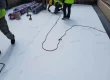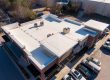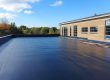













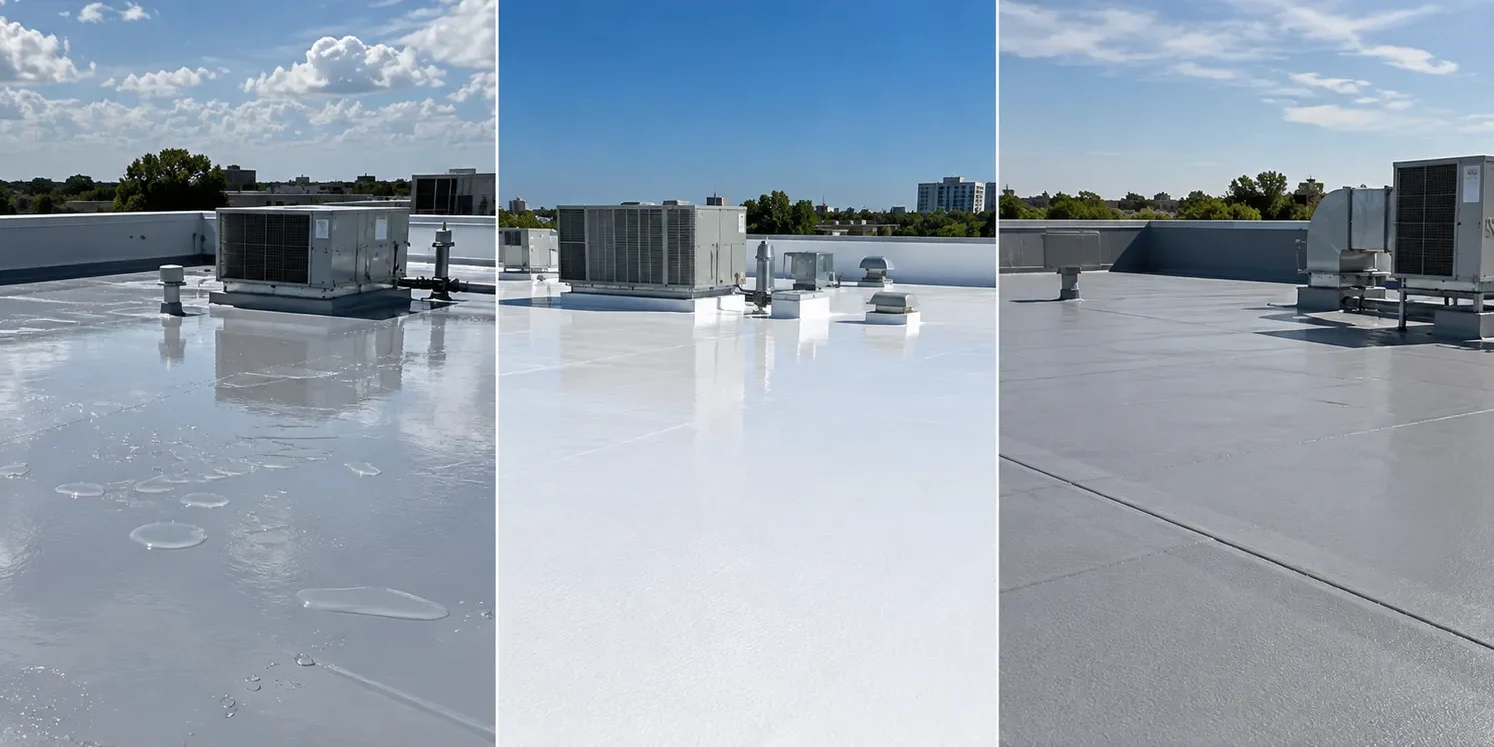
A commercial flat roof rarely fails all at once. It wears out slowly: UV exposure dries the surface, seams loosen, and small cracks let moisture in. A liquid-applied roof coating is one of the most effective ways to interrupt that process. It seals the existing membrane, reflects sunlight, and can add years of service life without tearing off the roof.
Walk into any conversation about coatings, though, and you’ll hear three words used almost interchangeably: silicone, acrylic, and elastomeric. They are not the same thing. Choosing the wrong one for your roof type, drainage, or climate is one of the most common reasons coating projects disappoint. This guide explains the real differences so you can have an informed conversation with your roofing contractor.
First, a Clarification: “Elastomeric” Is a Category, Not a Product
“Elastomeric” simply means the coating stretches and recovers. It expands in summer heat and contracts in winter cold without cracking. Almost every modern roof coating is elastomeric: acrylic, silicone, polyurethane, and several rubber-based products all qualify.
When a product label or a salesperson says “elastomeric roof coating,” they very often mean an acrylic elastomeric coating, because acrylics are the most widely sold type. So the real comparison is usually acrylic vs. silicone, with polyurethane as a third option for specific situations. Always ask what chemistry sits behind the word “elastomeric.”
Acrylic Roof Coatings
Acrylic coatings are water-based and typically bright white. They are among the most widely used coatings on commercial buildings, and for good reason.
Where acrylics perform well:
- UV reflectivity. A white acrylic coating reflects a large share of sunlight, lowering roof surface temperatures and reducing cooling loads.
- Roofs with good drainage. Acrylics perform best on roofs that shed water quickly, including metal roofs and low-slope roofs with properly working drains.
- Recoatability. An aged acrylic surface can be cleaned and recoated, which makes long-term maintenance straightforward.
Where acrylics struggle:
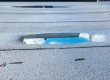
- Ponding water. Acrylics are water-based, so standing water can soften and gradually break down the film. If your roof holds water for more than about 48 hours after rain, acrylic is usually not the right choice without first correcting the drainage. (Our guide on how to drain water from a flat roof covers the most common fixes.)
- Cold-weather application. Acrylics need warm, dry conditions to cure. In the Chicago area, that narrows the window for installation compared with some other coatings.
Silicone Roof Coatings
Silicone coatings have become the go-to option for many flat commercial roofs, largely because of how they handle water and sunlight.
Where silicone performs well:
- Ponding water resistance. Silicone does not break down under standing water the way acrylic does, making it a strong fit for truly flat roofs with minor ponding areas.
- UV stability. Silicone resists UV degradation extremely well and erodes very slowly over time.
- Weather flexibility during application. Many silicone products tolerate a wider range of conditions during installation than water-based acrylics.
Trade-offs to know:
- Dirt pickup. Silicone surfaces tend to attract dust and airborne debris, which can reduce reflectivity over time unless the roof is cleaned periodically.
- Future recoating is limited. Very few materials adhere to silicone except more silicone. Once you coat with silicone, you’re generally committed to silicone for future restorations.
- Slippery when wet. This matters on roofs with frequent foot traffic for HVAC service.
Polyurethane Roof Coatings
Polyurethane coatings are tougher and more impact-resistant than acrylics or silicones. They are often used as a base coat, sometimes topped with a UV-stable layer, on roofs that see heavy foot traffic, hail exposure, or mechanical abuse. They are also common over spray foam roofing, where a durable protective coating is essential. Polyurethanes usually have a stronger odor during application, which can matter for occupied buildings with rooftop air intakes.
Which Roofs Can Be Coated?
Coatings can be applied over most common commercial roof systems, with the right preparation and primer:
- Modified bitumen and built-up roofing (BUR). These are excellent candidates, especially smooth-surfaced systems. Gravel-surfaced BUR requires loose gravel removal first.
- EPDM. EPDM can be coated, but it requires thorough cleaning and a compatible primer for adhesion.
- TPO. TPO can be coated with specialized primers. Adhesion testing on the actual roof is strongly recommended.
- Metal roofs. Metal is ideal for acrylic or silicone once rust is treated and fasteners and seams are sealed.
When a Coating Is the Right Call, and When It Isn’t
A coating is a restoration tool, not a miracle cure. It works when the roof underneath is still fundamentally sound. The most important question isn’t which coating to choose but whether the roof is a good candidate at all.
A coating is usually a good fit when:
- The membrane is aged but mostly intact
- The insulation below is largely dry
- Leaks are limited and can be repaired before coating
- The deck is structurally sound
A coating is usually the wrong fit when:
- A large portion of the insulation is saturated with water (coating traps that moisture)
- The membrane is shrinking, splitting, or delaminating across wide areas
- There are widespread structural or deck problems
This is why a proper commercial roof inspection should come before any coating decision. Moisture surveys and core samples show what’s happening beneath the surface. If the inspection shows the roof is past the point of restoration, a flat roof replacement is the more responsible investment.
Coatings and Energy Efficiency
Reflective white coatings reduce the heat a roof absorbs, which lowers peak roof temperatures and can reduce cooling demand in summer. The Cool Roof Rating Council publishes independently rated reflectance and emittance values for roofing products, a useful reference when comparing coatings. For more on this, see our article on energy-efficient flat roofing and what makes a roof sustainable.
Quick Comparison
| Acrylic | Silicone | Polyurethane | |
| Ponding water | Poor | Excellent | Good |
| UV resistance | Very good | Excellent | Good (with UV topcoat) |
| Impact / foot traffic | Moderate | Moderate | Excellent |
| Dirt pickup | Low | Higher | Low–moderate |
| Future recoating | Easy | Silicone only | Moderate |
Frequently Asked Questions
Is elastomeric roof coating the same as silicone?
No. “Elastomeric” describes flexibility, and both silicone and acrylic coatings are elastomeric. Ask for the actual base chemistry.
Can a roof coating stop leaks?
A coating seals the surface, but active leaks should be located and repaired first. Coating over wet insulation or open seams can hide problems rather than solve them. Read more in how to fix a commercial roof leak.
Which coating is best for a flat roof with standing water?
Silicone is typically the strongest choice, though correcting the drainage is always the better long-term solution.
Get the Right Coating for Your Roof
The best coating is the one matched to your roof system, drainage, and building use, and that choice starts with an honest assessment of the roof’s condition. All Roofs Inc. has served commercial property owners across Chicagoland since 1994. Contact us to schedule an inspection and find out whether restoration is the right path for your building.