













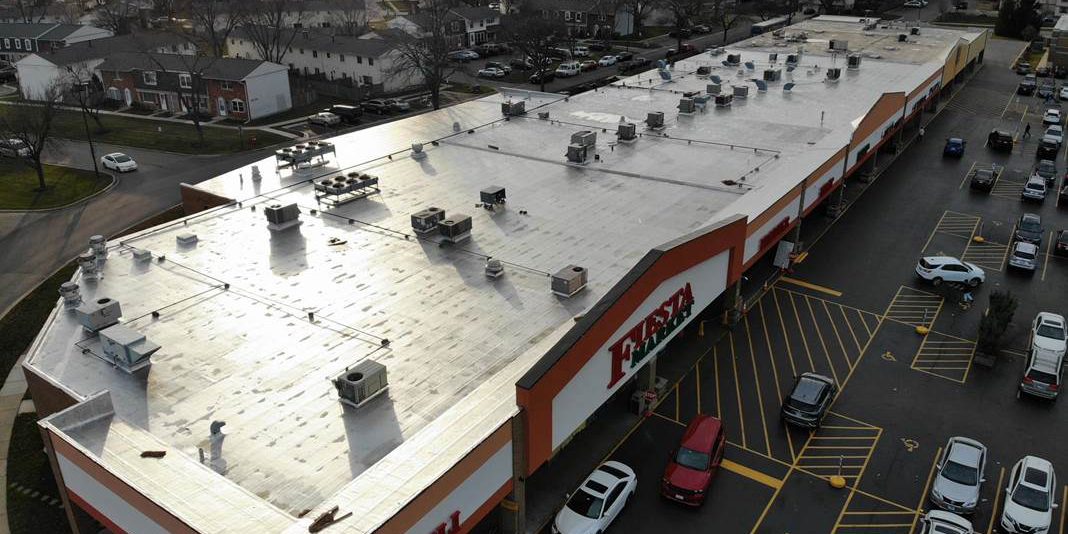
At first glance, flat roof repair in wet weather might seem like a necessary quick fix—especially when leaks appear out of nowhere. But here’s the reality: most people who attempt it end up regretting it, and usually for one simple reason—they rush into permanent repairs when they should be focusing on temporary protection.
Understanding the difference can save you thousands of dollars and prevent long-term structural damage.
Why Flat Roof Repair in Wet Weather Often Goes Wrong
Repairing a flat roof is already a precision task. Add moisture, and the margin for error increases significantly.
Moisture Ruins Adhesion
Most roofing materials—especially membranes and sealants—require dry conditions to bond correctly. When applied to a wet surface, they may not adhere properly, leading to early failure.
This is the number one reason people regret flat roof repair in wet weather. The repair might look fine initially, but it won’t last.
Water Gets Trapped Inside the Roof
Another hidden issue is trapped moisture. If you seal a roof while water is still present underneath, it can lead to:
-
Mold growth
-
Insulation damage
-
Structural weakening over time
Instead of fixing the problem, you’re sealing it in.
The One Mistake Most People Make
Here’s the core issue:
They treat a temporary situation like a permanent repair job.
When it’s raining or the roof is wet, your goal should not be to “fix it forever.” Your goal should be to control the damage until proper repairs are possible.
Why Permanent Repairs Fail in Wet Conditions
Permanent solutions—like full membrane replacement or advanced coatings—require:
-
Dry surfaces
-
Stable temperatures
-
Controlled conditions
Without these, even high-quality materials won’t perform as expected.
What You Should Do Instead
If you’re dealing with an urgent situation, there are smart ways to handle flat roof repair in wet weather—but they require a different mindset.
Focus on Temporary Waterproofing
Use emergency solutions like:
-
Roofing tar
-
Temporary sealants designed for damp conditions
-
Waterproof patches
These aren’t meant to last forever, but they can stop active leaks.
Improve Drainage Immediately
Flat roofs often fail because of standing water. Clearing drains and removing debris can make a huge difference quickly.
Even a small improvement in water flow reduces pressure on damaged areas.
Tools and Materials That Actually Work in Wet Conditions
Not all roofing products are equal—especially in bad weather.
Cold-Applied Sealants
These are specifically designed to work without heat and can handle slightly damp surfaces better than traditional materials.
Emergency Repair Kits
Many professional-grade kits are made for temporary use during rain or high humidity.
Safety Equipment
This part gets overlooked, but it matters:
-
Non-slip shoes
-
Harness systems
-
Waterproof gloves
Wet roofs are dangerous. No repair is worth an injury.
When You Should Wait Instead of Acting
Sometimes, the smartest move is doing less.
No Active Leak? Hold Off
If water isn’t entering the building, it’s usually better to wait for dry weather and do the job properly.
Extensive Damage? Don’t Patch It Blindly
Large-scale issues require proper inspection. Wet conditions can hide the true extent of the damage.
How Professionals Handle Flat Roof Repair in Wet Weather
Experienced contractors rarely rush full repairs in the rain. Instead, they follow a two-step approach:
Step 1: Stabilize the Situation
They stop leaks and prevent further damage using temporary fixes.
Step 2: Schedule Proper Repairs
Once conditions improve, they return to complete the job under optimal conditions.
This approach ensures durability and avoids costly rework.
How to Prevent This Problem in the Future
The best way to deal with flat roof repair in wet weather is to avoid needing it in the first place.
Regular Inspections
Small issues—like cracks or pooling—can be fixed early before they turn into emergencies.
Maintenance During Dry Seasons
Plan repairs when conditions are ideal. It’s cheaper, safer, and more effective.
Upgrade Drainage Systems
Good drainage reduces water buildup, which is one of the main causes of flat roof damage.
Final Thoughts
Most people regret roof repair in rain not because the situation was unavoidable—but because they approached it the wrong way.
Trying to perform permanent repairs in poor conditions almost always leads to failure.
The smarter strategy is simple:
-
Stabilize first
-
Repair properly later
If you remember that one principle, you’ll avoid the most common (and expensive) mistake people make.