












When it comes to commercial construction, the roof plays a crucial role in protecting the building, preserving energy efficiency, and ensuring long-term functionality. With various options available, choosing the best commercial roofing material can be a complex decision. This blog post explores the most popular commercial roofing materials, their benefits, drawbacks, and what factors to consider when selecting the right one for your property.
Types of Commercial Roofing Materials
Commercial roofs come in several forms, with each material offering different performance characteristics, costs, and lifespans. The most common materials include:
1. TPO (Thermoplastic Polyolefin)
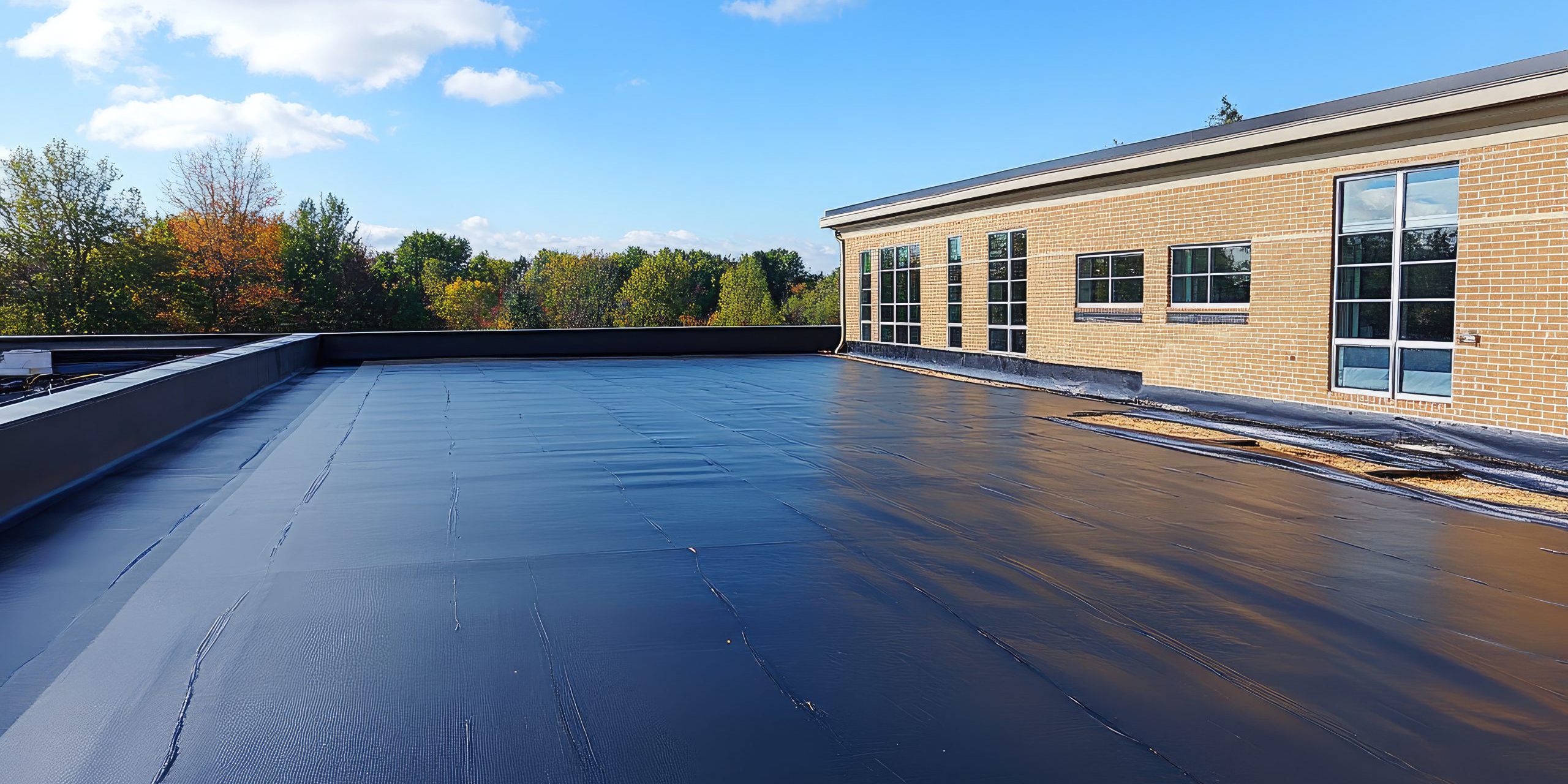
TPO is a single-ply roofing membrane known for its energy efficiency and affordability.
Advantages: Reflective surface reduces cooling costs, resistant to UV rays and punctures.
Disadvantages: Installation quality can vary; seams may weaken over time if poorly installed.
2. EPDM (Ethylene Propylene Diene Monomer)
Often referred to as “rubber roofing,” EPDM is a highly durable synthetic material.
Advantages: Long lifespan (up to 30 years), low maintenance, excellent weather resistance.
Disadvantages: Not as reflective as TPO; dark color can increase heat absorption.
3. PVC (Polyvinyl Chloride)
PVC is a popular single-ply option similar to TPO, but with added chemical resistance.
Advantages: Excellent for restaurants or buildings with grease-producing systems, strong seam strength.
Disadvantages: Higher cost than TPO or EPDM.
4. Modified Bitumen
This asphalt-based roofing material is reinforced with fiberglass or polyester for strength.
Advantages: Strong, layered protection; good resistance to foot traffic.
Disadvantages: Labor-intensive installation; limited flexibility in extreme temperatures.
5. Metal Roofing
Made from steel, aluminum, or copper, metal roofs offer a long-term solution.
Advantages: Extremely durable, fire-resistant, recyclable, and low-maintenance.
Disadvantages: Higher upfront cost; may be noisy during rain unless insulated.
Factors to Consider
Choosing the best roofing material depends on several key factors specific to the building and business:
Climate and Location
Different materials perform better in certain environments. For instance, TPO and PVC are ideal for hot climates, while EPDM excels in cold, wet regions.
Building Structure
Flat and low-slope roofs limit your options. Single-ply membranes work best for flat roofs, while metal or modified bitumen may suit slightly sloped surfaces.
Budget and Lifespan
Initial cost vs. long-term value should be considered. A cheaper roof may require more repairs or earlier replacement, while a more expensive system could offer decades of reliability.
Energy Efficiency Goals
Reflective roofs like TPO and PVC help reduce energy consumption, making them ideal for companies focused on sustainability and lower utility bills.
Use of the Building
For buildings with frequent rooftop equipment maintenance (like HVAC), durability and walkability may be more important than cost alone.
Final Thoughts
There’s no one-size-fits-all answer to the best commercial roofing material — it depends on your building’s specific needs, environment, and budget. However, understanding the advantages and limitations of each option will help you make a well-informed choice. Consulting with a commercial roofing expert is always recommended to assess which system aligns best with your operational goals and long-term investment.
The roof may be out of sight, but it should never be out of mind. Choosing the right commercial roofing material ensures protection, performance, and peace of mind for years to come.