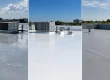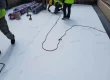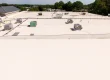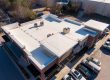














Flat roofs have become a hallmark of modern architecture, praised for their sleek, minimalist look and the ability to utilize rooftop spaces for gardens, terraces, or solar panels. Yet, despite their aesthetic appeal and functional benefits, flat roofs present unique challenges – most notably, water drainage. Unlike pitched roofs, where rainwater naturally runs off, flat roofs require careful planning, thoughtful design, and ongoing maintenance to prevent water pooling, leaks, and long-term structural issues. This guide explores professional strategies for effective water management on flat roofs, helping property owners protect their investments.
Understanding the Problem
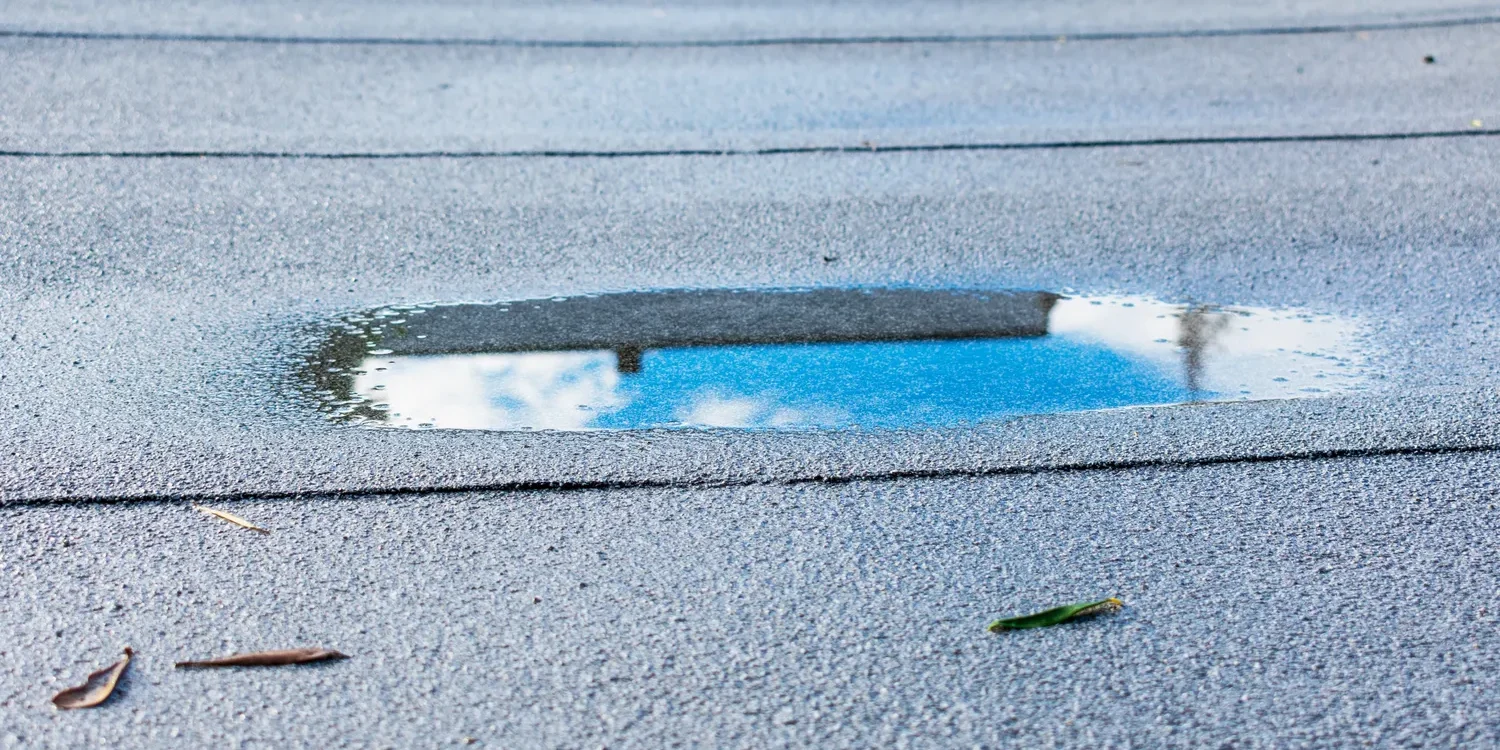
Water accumulation on flat roofs, often referred to as ponding, is not just an inconvenience – it’s a serious threat to the longevity of the roof. When water remains standing for long periods, it can degrade roofing materials such as membranes or coatings, accelerate corrosion of metal components, and even damage the underlying structure.
In colder climates, the problem intensifies as ponded water can freeze, forming ice dams that expand and stress the roof. Even small amounts of stagnant water can become breeding grounds for algae, mold, and moss, which can further compromise roof integrity and aesthetics. Addressing drainage is therefore not optional – it’s an essential part of building safety and maintenance.
1. Install Proper Roof Slope
While the term “flat roof” suggests a perfectly horizontal surface, a slight slope is absolutely necessary. Roofing professionals recommend a minimum slope of 1–2% (approximately 1/8 to 1/4 inch per foot). This gentle incline ensures water naturally flows toward drains or scuppers instead of pooling.
There are two primary ways to achieve this slope:
- Structural slope: During construction, the roof deck itself can be angled slightly to encourage drainage.
- Tapered insulation: This involves using insulation boards shaped to create a slope toward drainage points without altering the main structural deck.
Even a subtle slope makes a significant difference, reducing the risk of standing water and extending the life of roofing materials. For existing flat roofs, professional retrofitting with tapered insulation can often solve persistent ponding problems without a complete roof replacement.
2. Choose the Right Drainage System
The drainage system is the heart of any flat roof water management plan. There are two main types:
Internal Drains
Internal drains connect directly to the building’s plumbing system, channeling water safely away from the structure. These drains are hidden from view, maintaining the clean aesthetic of the roof. However, they require careful design and regular maintenance, as blockages can quickly lead to flooding or leaks.
Scuppers and Gutters
Scuppers are openings at the edge of the roof that allow water to exit onto an external downspout or gutter system. This method is particularly effective for smaller buildings or roofs where internal drainage is impractical. For maximum efficiency, many large roofs combine both internal drains and scuppers to handle heavy rainfall, ensuring that no single point of failure can cause water damage.
Additional Considerations
- Overflow drains: Installing backup or overflow drains can prevent water buildup during unusually heavy storms.
- Leaf guards and screens: These help prevent debris from clogging drains and scuppers.
- Drain placement: Drains should be strategically located at low points of the roof to ensure even water flow.
3. Regular Maintenance is Key
Even the best drainage system can fail without proper upkeep. Routine inspection is critical, ideally twice a year – before the rainy season and after heavy storms.
Key maintenance tasks include:
- Clearing debris such as leaves, dirt, and branches from drains, gutters, and scuppers.
- Checking for signs of standing water and unusual ponding.
- Inspecting membranes or coatings for cracks, blisters, or bubbles.
- Ensuring drain screens, grates, and downspouts are free from obstructions.
Maintenance isn’t just preventive – it’s also cost-effective. Addressing minor issues early can prevent expensive repairs, structural damage, or even complete roof replacement.
4. Consider Roof Waterproofing Solutions
A high-quality waterproof membrane is the final line of defense against water damage. Common options include:
- EPDM (Ethylene Propylene Diene Monomer): Durable and highly resistant to UV radiation.
- TPO (Thermoplastic Olefin): Lightweight and heat-reflective, ideal for energy efficiency.
- Modified bitumen: A flexible material often applied in layers for added protection.
Waterproofing works best in conjunction with proper drainage. Some modern systems are engineered with slight slopes within the membrane itself, enhancing water flow toward drains. In addition, reflective coatings can reduce UV degradation, further extending the roof’s lifespan.
5. Professional Installation Matters
Flat roof drainage and waterproofing is not a DIY project for most property owners. Incorrect installation can lead to leaks, structural damage, and costly repairs. Professional roofing contractors bring the expertise to:
- Correctly calculate and implement slopes.
- Design and install internal drains, scuppers, and overflow systems.
- Ensure membranes and coatings are applied flawlessly.
- Recommend solutions tailored to the building’s size, climate, and intended use.
Investing in a professional installation protects the roof, reduces long-term maintenance costs, and provides peace of mind.
6. Advanced Tips for Optimal Flat Roof Drainage
- Green roofs: Incorporating plants and soil can absorb rainwater, but proper drainage layers are critical to prevent waterlogging.
- Rainwater harvesting: Directing water from drains into storage tanks can conserve water and reduce runoff.
- Regular thermal imaging inspections: Detect moisture trapped beneath membranes before it becomes visible damage.
- Seasonal adjustments: Ensure that gutters and downspouts are prepared for snow, ice, and leaves during seasonal changes.
Conclusion
Effective water management is crucial for the longevity and safety of flat roofs. By designing a subtle slope, installing reliable drainage systems, performing regular maintenance, and investing in professional-grade waterproofing, property owners can prevent ponding, leaks, and costly repairs. Flat roofs offer both aesthetic and functional benefits, from modern architectural appeal to usable rooftop spaces – but they require thoughtful attention to drainage.
Proper planning, consistent maintenance, and professional installation not only safeguard your roof but also protect your investment, ensuring that your flat roof remains durable, functional, and visually appealing for decades.